
The Japanese kitchen, without the guesswork
Matcha that tastes like matcha. Miso with real depth. Seaweed and rice vinegar worth keeping in the cupboard. We test what we recommend and link you straight to the listing, so you can read the reviews yourself before you buy.
Popular products

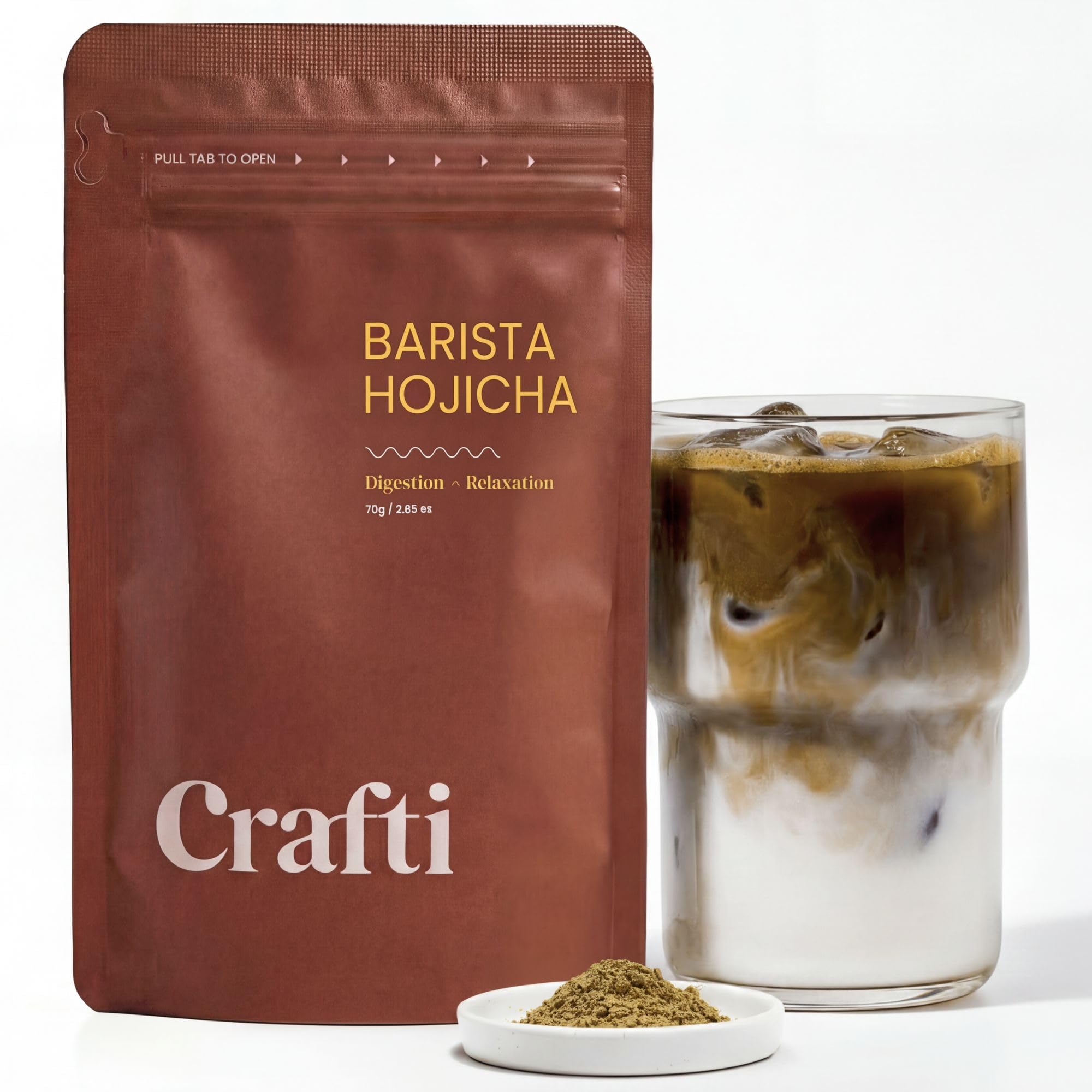

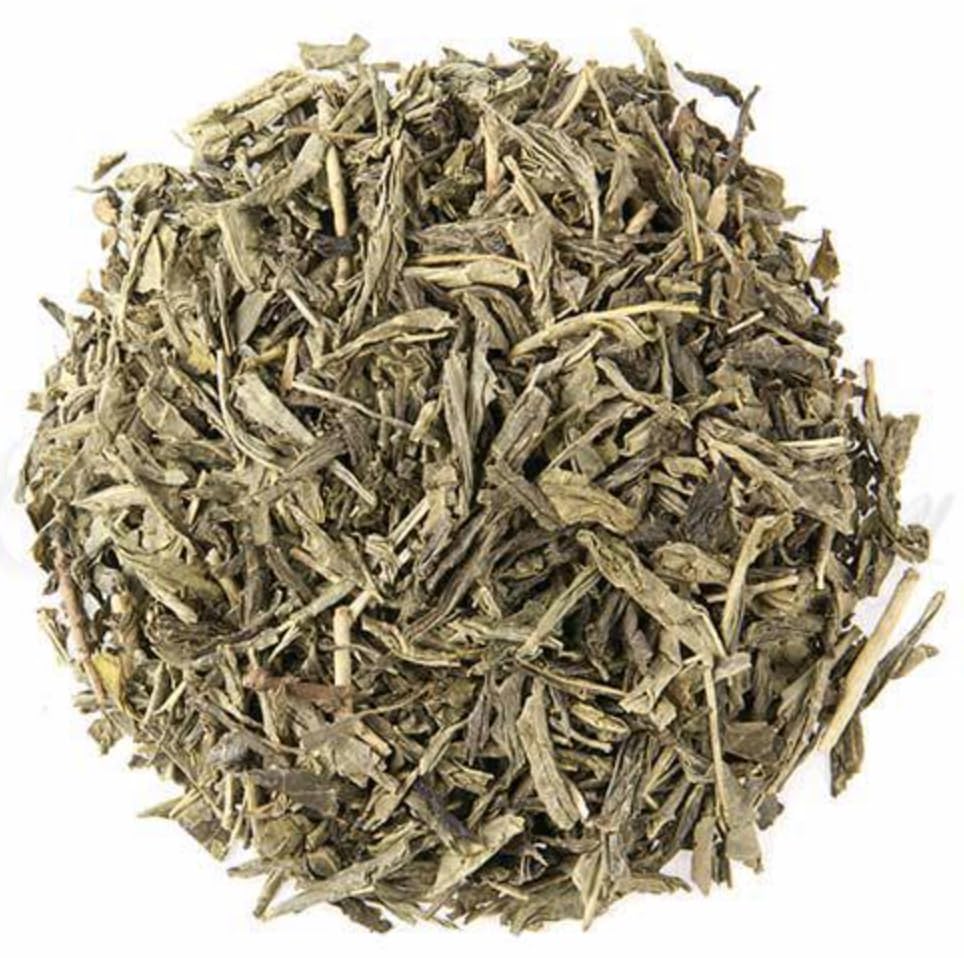
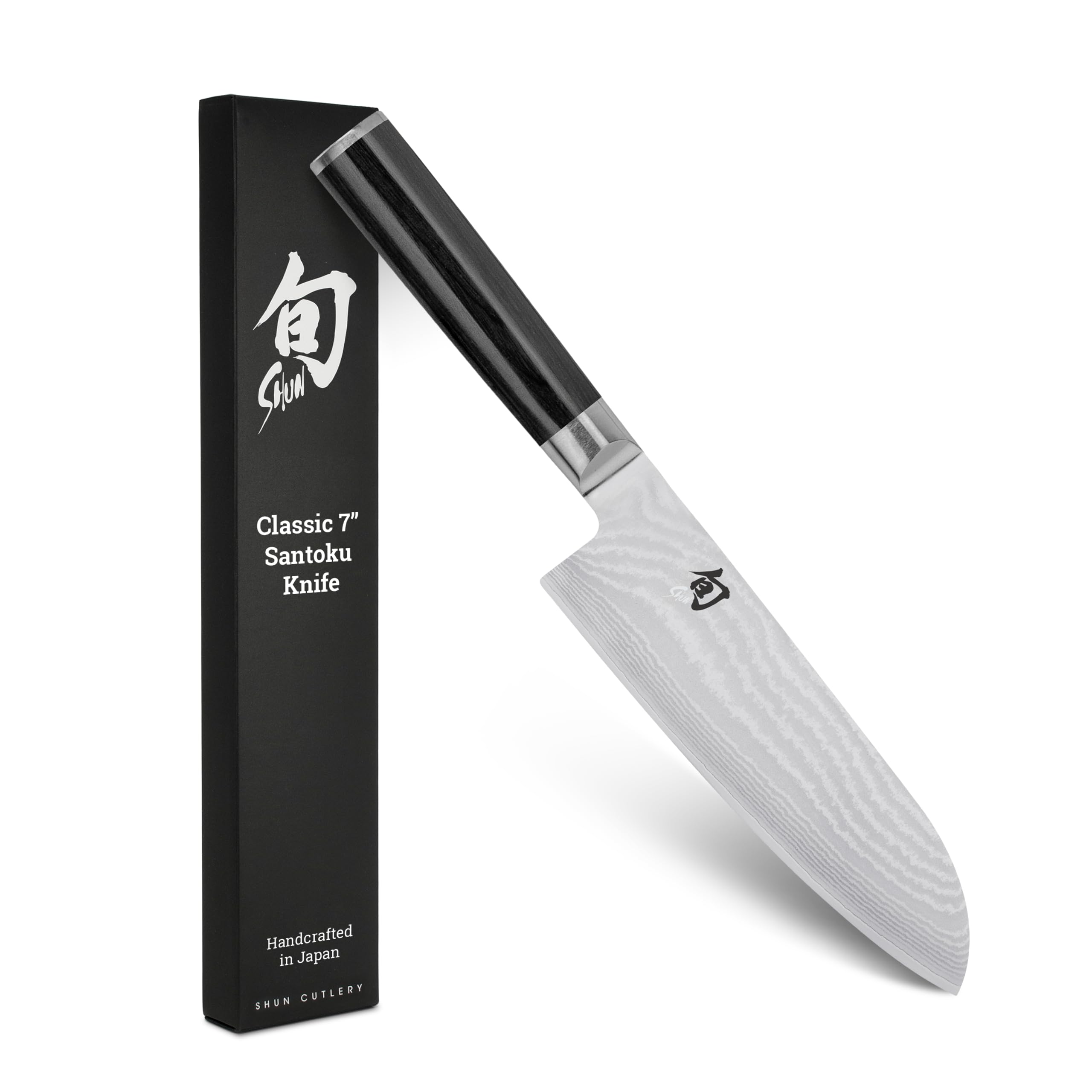
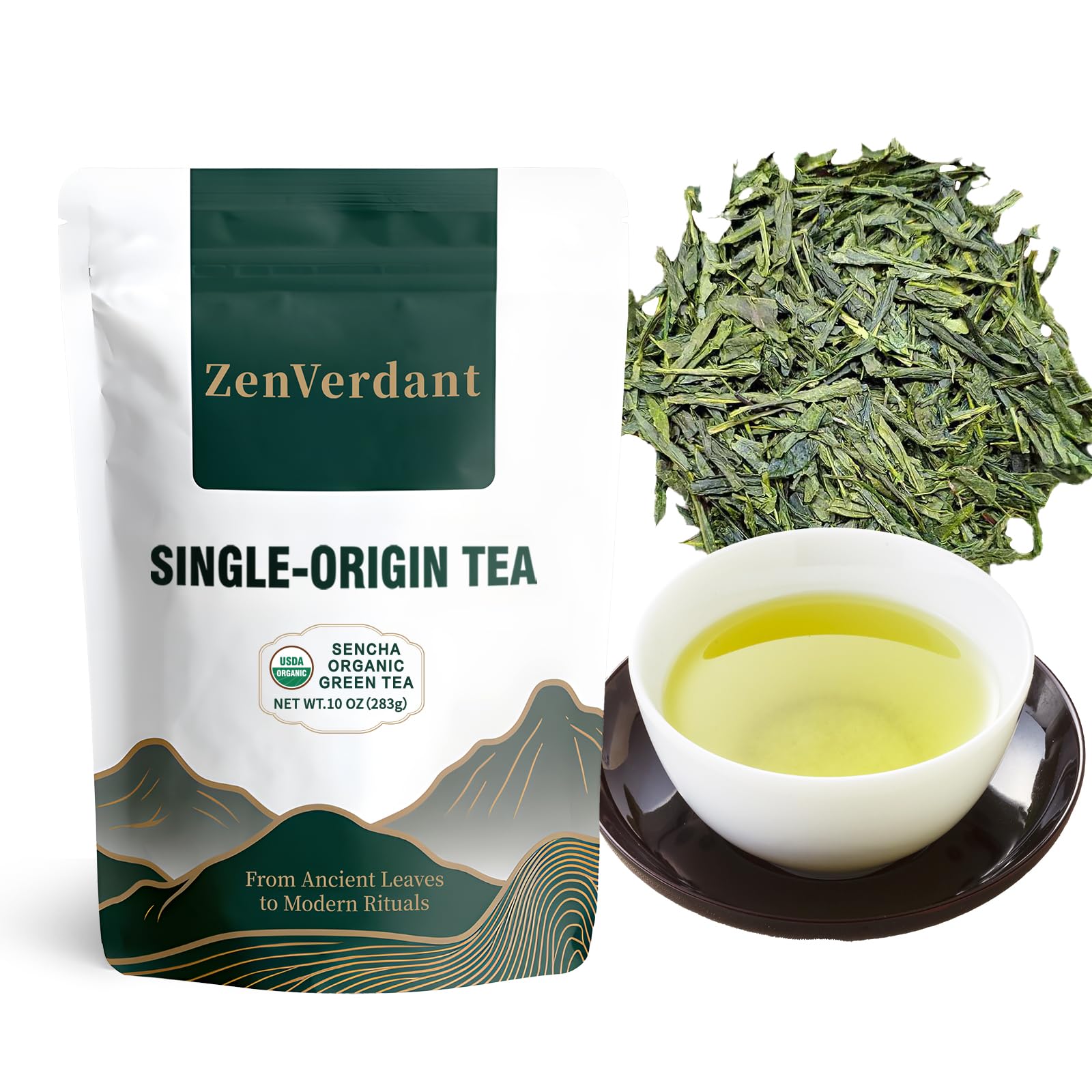

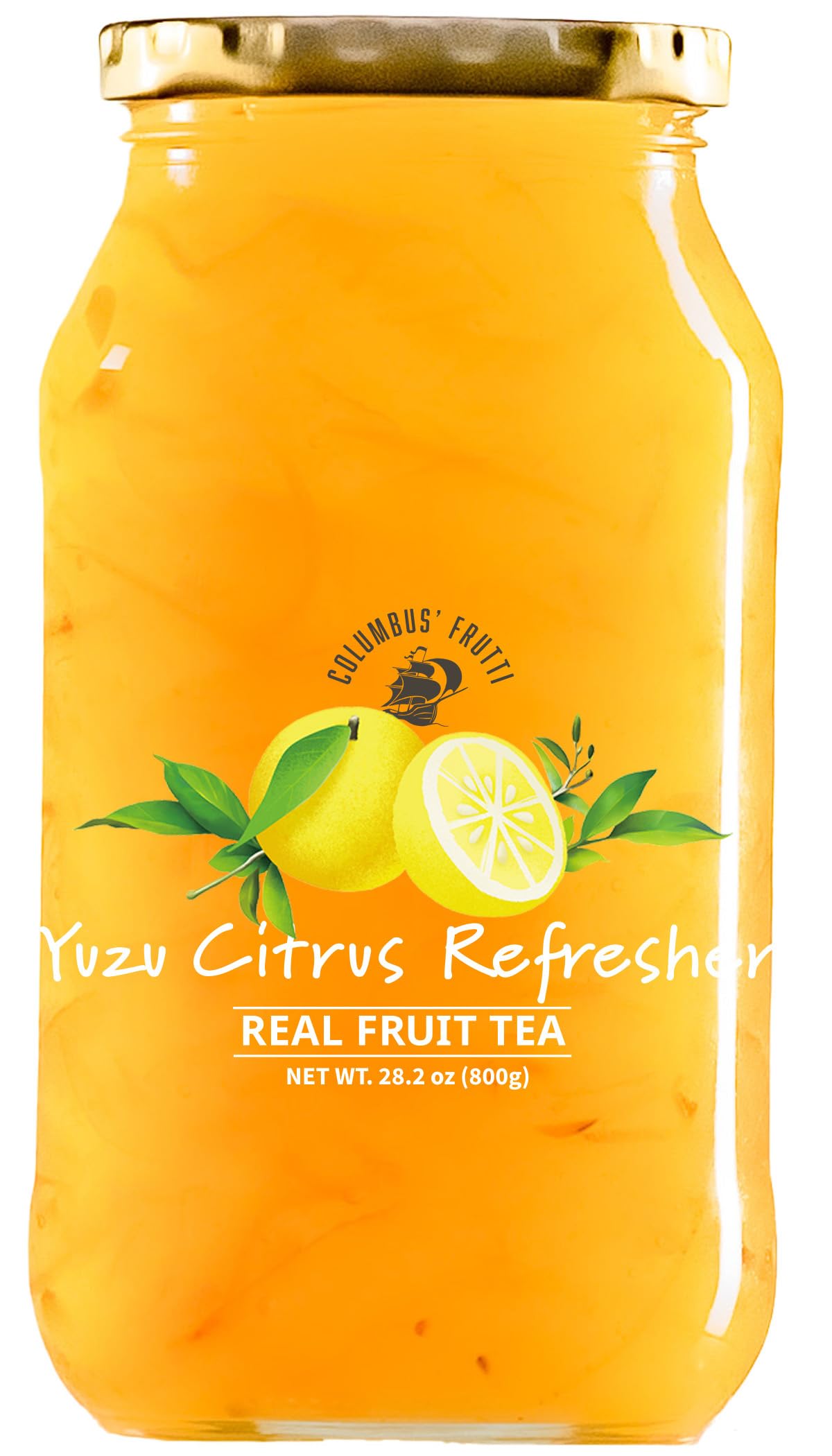

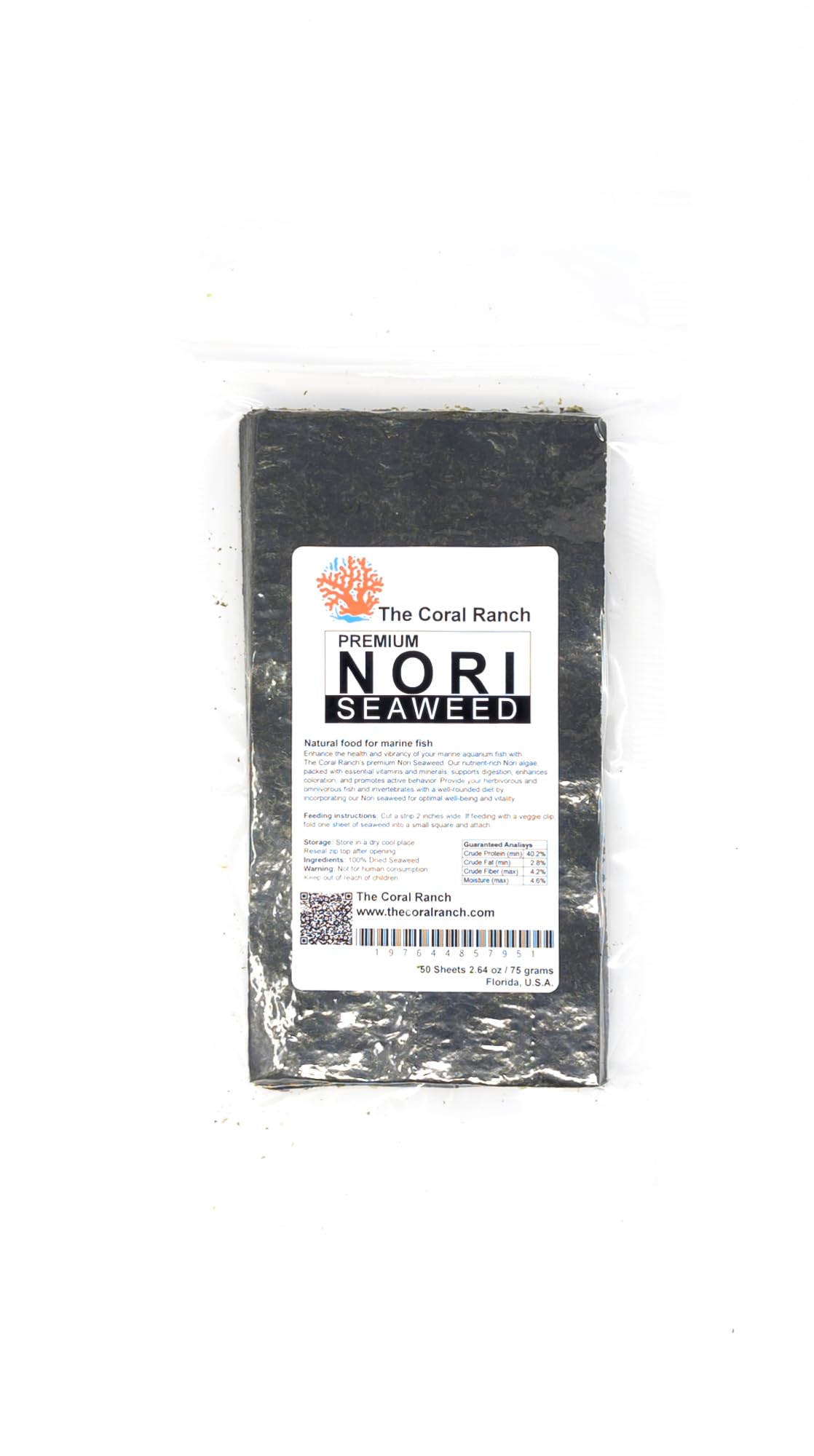
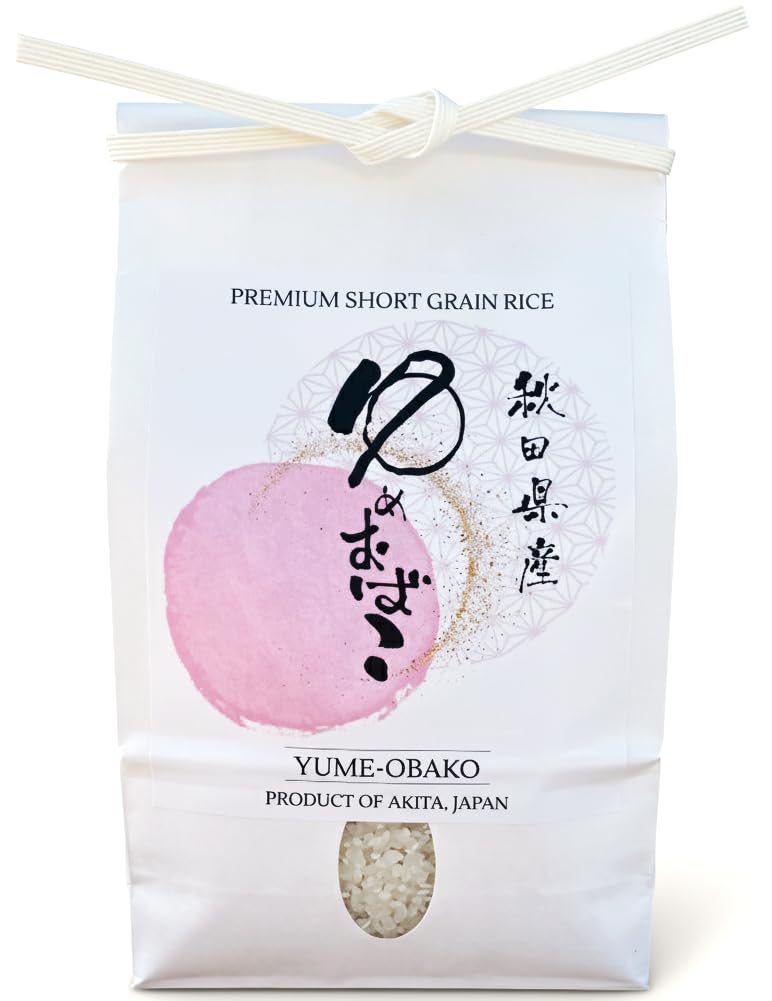


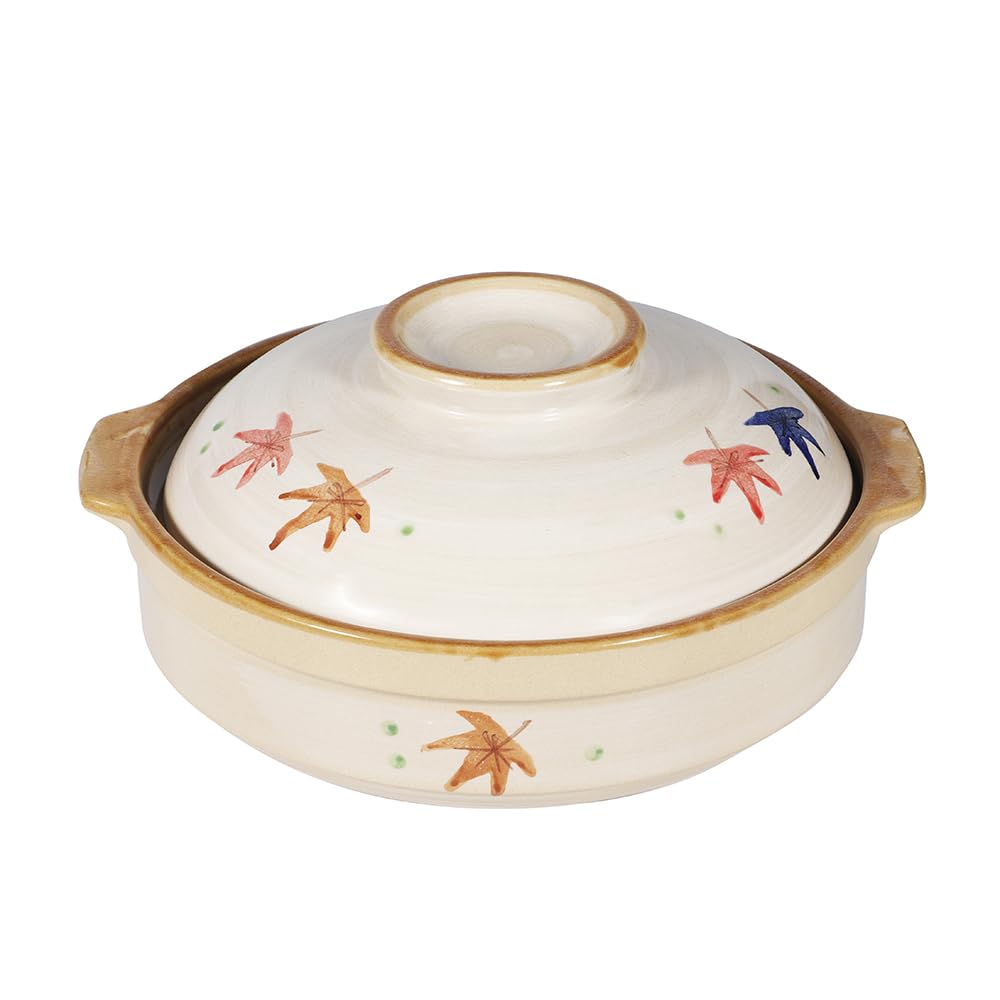


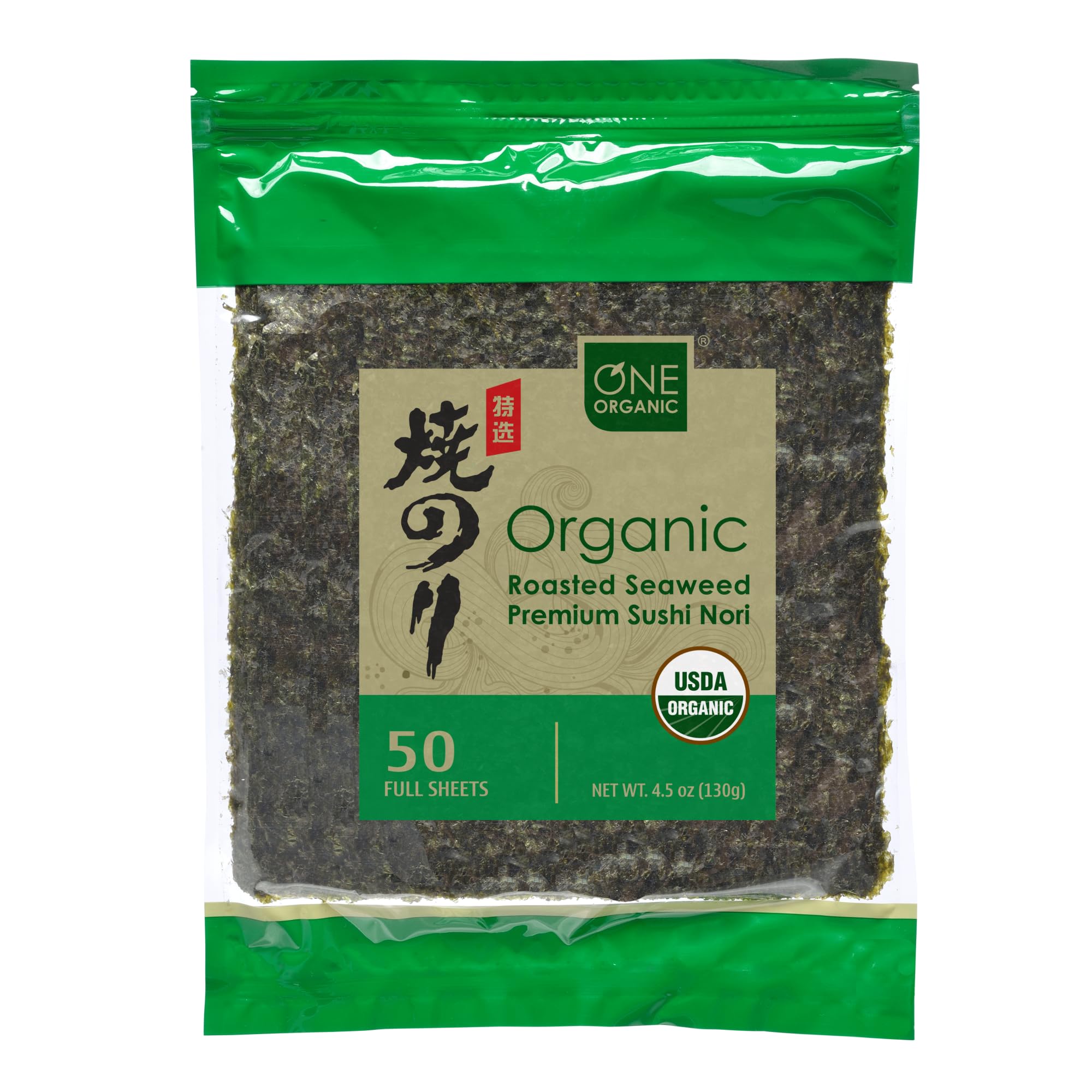
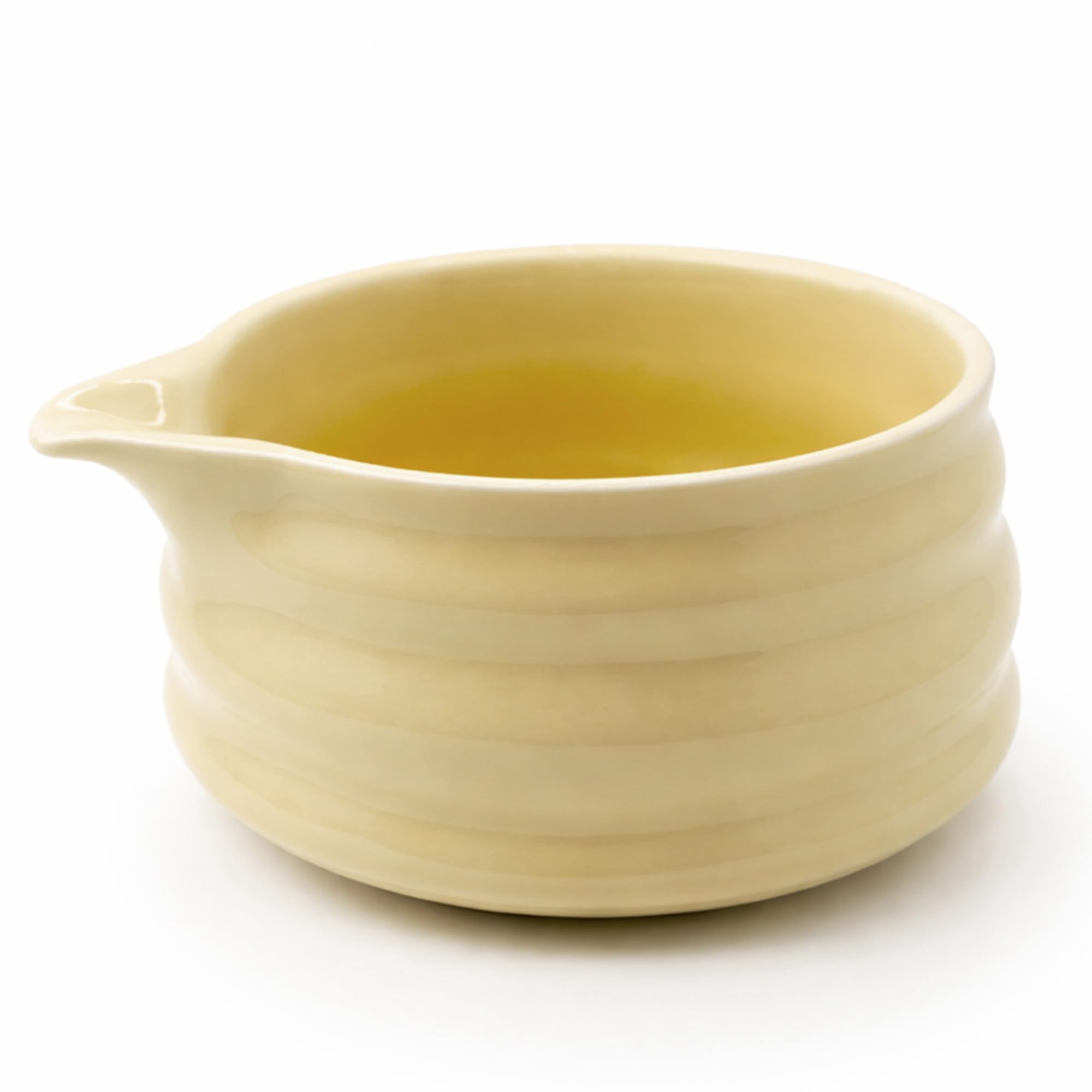
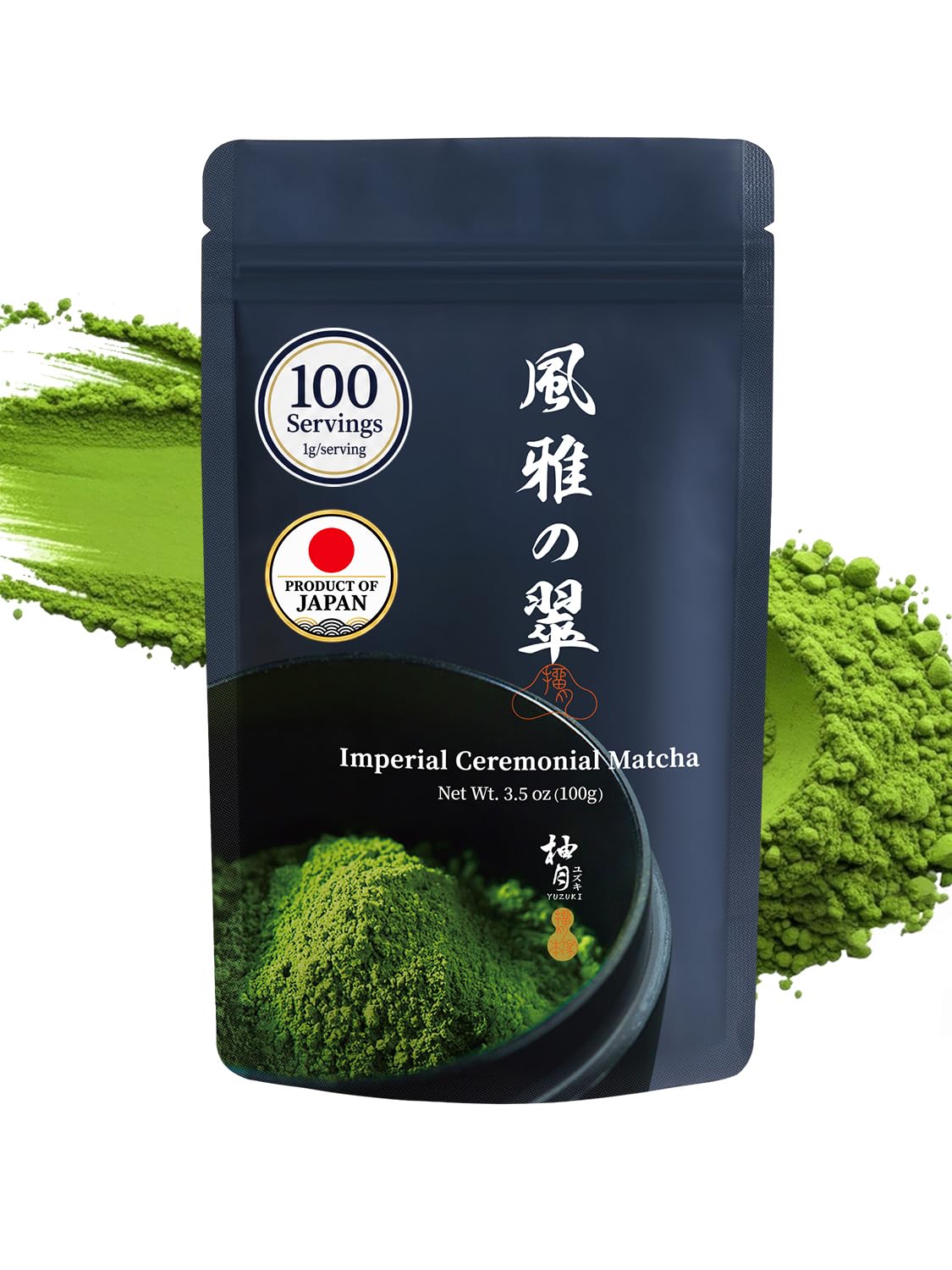
Main categories
MatchaCeremonial and culinary grades, stone groundSenchaEveryday loose leaf green teaHojichaRoasted, low caffeine, nuttyMisoWhite, red and awase pastesNoodlesRamen, udon, soba and somenSaucesSoy, ponzu, mirin, kewpie mayoPantryVinegar, furikake, rice and basicsSeaweedNori, kombu and wakameYuzuJuice, ponzu and citrus punchKnivesSantoku, gyuto and nakiri, ground thinCookwareDonabe, carbon steel and cast ironTeawareCast iron pots, cups and whisks
Why Japanese products earn their reputation
Japanese goods are not automatically better than anyone else's. What they are is organised differently, and that difference shows up in things you notice in daily use: a knife that falls through an onion, seaweed that smells of the sea rather than dust, a soy sauce with depth behind the salt.
The first reason is specialisation. A Sakai blade passes through a smith, a grinder and a handle maker before it is finished, and each of them has spent years on one step. That division of labour is centuries old, and it means the person sharpening the edge is judged on that alone, not on everything else in the workshop.
The second is fermentation. Japan has brewed miso, soy sauce and sake with koji mould for more than a thousand years, and that accumulated knowledge produces flavours which are hard to copy quickly. Time in a cedar vat cannot be rushed without the result tasting thin, which is why the good bottles cost more than the industrial ones and last longer on the shelf.
The third is regional identity. Uji for matcha and sencha, Seki for blades, Sanuki for udon, Hokkaido for kombu. Regions built reputations over centuries and still protect them, because a bad batch damages a name that took generations to earn.
The fourth is standards. Japanese labelling is strict, water quality for seaweed farming is regulated, and grading for rice, tea and blades is specific rather than decorative. You can usually find out exactly what you are buying, down to the harvest or the steel.
None of this guarantees a good purchase. It explains why the ceiling is high, and why the difference tends to show up in the everyday objects, a pot that holds heat, a teapot that pours cleanly, rather than in a marketing brochure.